
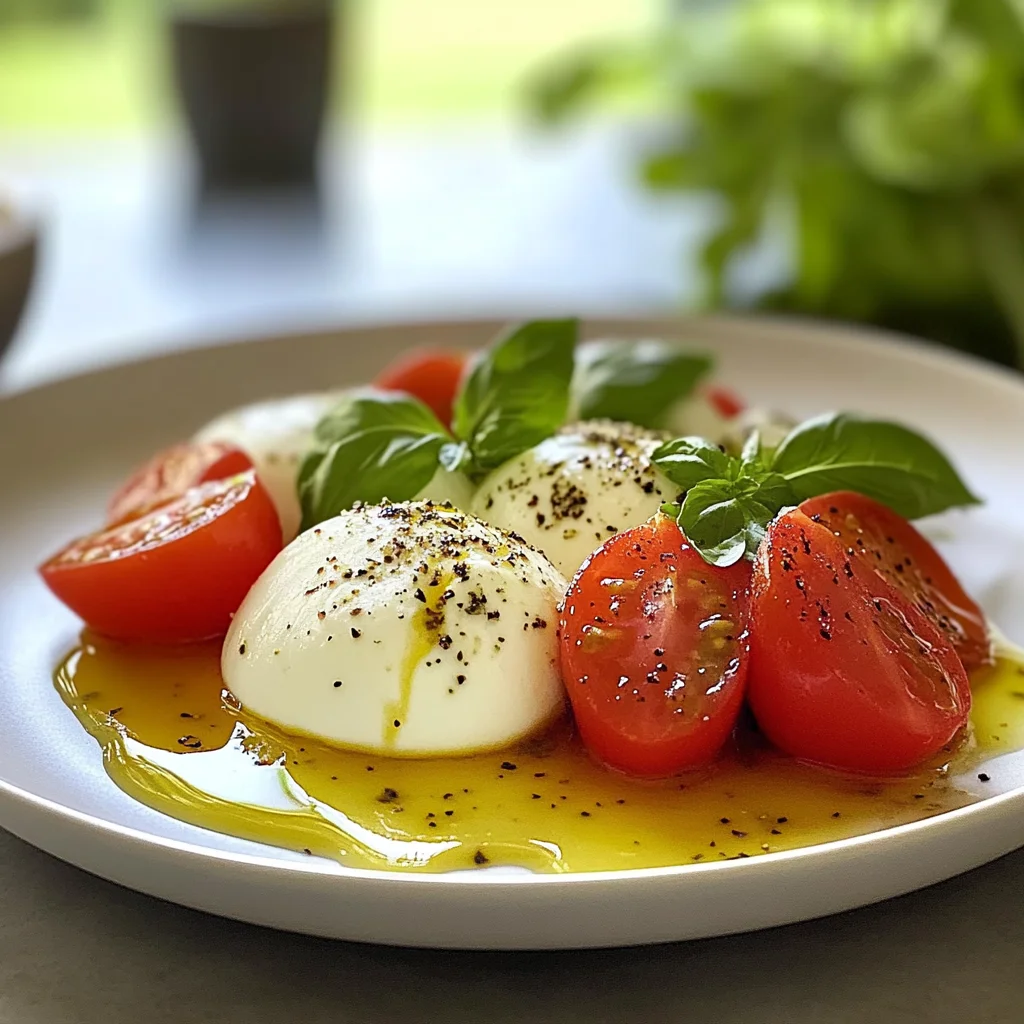
Imagine sinking your teeth into a slice of pizza adorned with decadent, gooey mozzarella that stretches like a cheesy embrace, releasing an intoxicating aroma that beckons you closer. This soft, creamy cheese, whether crafted from sumptuous buffalo or cow’s milk, is the heart and soul of Italian cuisine, transforming ordinary dishes into extraordinary culinary experiences.
As I recall the first time I tasted fresh mozzarella at a sun-drenched family gathering, its mild flavor and elastic texture danced on my palate, creating memories that lingered far beyond that day. From elegant salads to comforting pastas, this beloved ingredient shines brightest during festive occasions or cozy weeknights when you crave something truly special. Get ready to embark on a delightful journey of flavors that will leave you craving more!
Why Is Mozzarella So Irresistibly Good?
Fresh mozzarella is a culinary delight that brings a burst of flavor to any dish. Easy to make, this recipe requires just a few simple ingredients and 30 minutes of your time. Creamy texture paired with its mild taste makes it a perfect addition to salads, pizzas, and pastas. Versatile enough for any occasion, you’ll find yourself reaching for this homemade cheese time and again. With its crowd-pleasing appeal, everyone will love the fresh touch of mozzarella in their meals!
Mozzarella Ingredients
For the Milk
- 1 gallon whole milk – Preferably raw or pasteurized (not ultra-pasteurized) for the best creamy texture in your mozzarella.
For the Acid
- 1/4 cup white vinegar (or lemon juice) – This ingredient helps curdle the milk, giving mozzarella its delightful consistency.
For the Rennet
- 1/4 teaspoon liquid rennet (diluted in 1/4 cup of cool, non-chlorinated water) – Essential for coagulating the milk into curds, rennet is key to achieving that perfect mozzarella.
For the Salt
- 1 teaspoon sea salt (to taste) – Adds flavor to your mozzarella; adjust to your preference for that wonderful umami punch.
How to Make Mozzarella
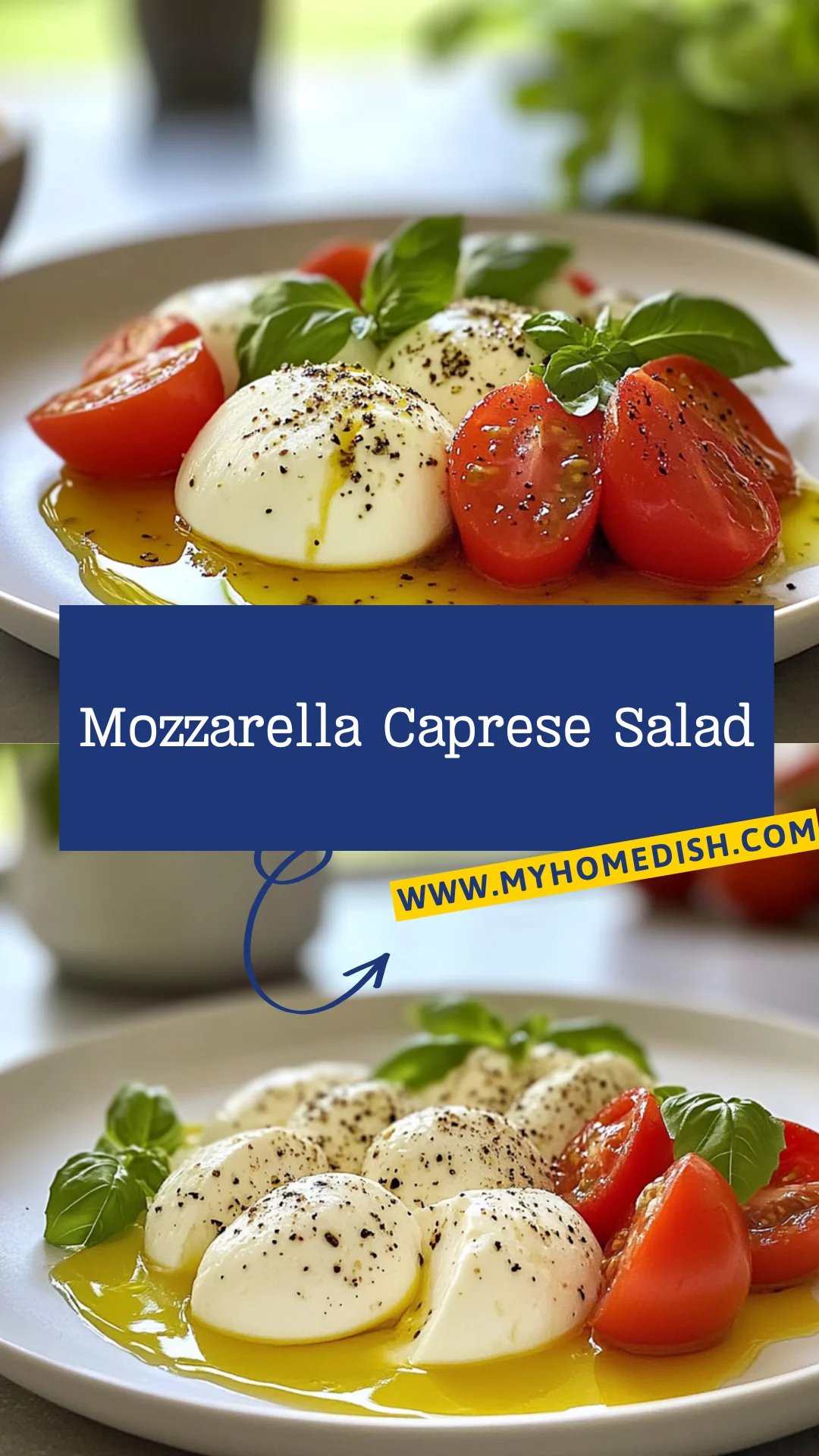
1. Heat the Milk: In a large pot, heat 1 gallon of whole milk to 190°F (88°C) over medium heat, stirring gently to prevent scorching. This is where the creamy magic begins!
2. Add Acid: Remove the pot from heat and stir in 1/4 cup of white vinegar or lemon juice. Let it sit for 5 minutes, allowing curds to start forming.
3. Incorporate Rennet: Add the diluted 1/4 teaspoon of liquid rennet and stir gently for about 30 seconds. Let it sit undisturbed for 5-10 minutes until you see lovely curds forming.
4. Cut Curds: Cut the curds into 1-inch cubes and let them sit for an additional 5 minutes. This step helps ensure a perfect texture in your mozzarella.
5. Cook Curds: Heat the curds gently to 105°F (40°C), stirring occasionally, for about 5 minutes. You’ll notice they start firming up nicely!
6. Drain Curds: Using a slotted spoon, transfer the curds to a bowl lined with cheesecloth. Allow them to drain for about 5 minutes; this helps remove excess whey.
7. Rinse and Season: Rinse the curds under cool water and sprinkle with 1 teaspoon of sea salt, mixing gently to combine all those delicious flavors.
8. Knead Curds: Knead the curds gently until they become smooth and elastic—this is when your mozzarella starts taking shape! Then, shape them into balls or logs.
9. Cool in Water: Place your crafted mozzarella in a bowl of cold water to cool and firm up, ensuring it’s ready for your favorite dishes.
Optional: For an added flavor boost, drizzle with olive oil before serving!
Exact quantities are listed in the recipe card below.
Tips for the Best Mozzarella
- Milk Matters: Use whole milk that’s raw or pasteurized, as ultra-pasteurized can prevent curd formation.
- Perfect Temperature: Heat the milk slowly to 190°F; overheating can scorch it and ruin your mozzarella’s texture.
- Gentle Stirring: When adding vinegar or lemon juice, stir gently to avoid breaking curds prematurely; let them form undisturbed afterward.
- Cut with Care: Ensure the curds are uniform in size when cutting them; this helps them cook evenly and achieve that stretchy mozzarella quality.
- Rinse Right: Rinse the curds thoroughly under cool water to help remove excess acidity and enhance flavor before salting.
- Knead Smoothly: Knead until elastic but don’t overdo it; too much kneading can make your mozzarella tough instead of creamy.
How to Store Mozzarella the Right Way
- Fridge: Store fresh mozzarella in an airtight container submerged in its brine or water for up to 5 days to maintain its creamy texture and flavor.
- Freezer: If you need to freeze mozzarella, wrap it tightly in plastic wrap, then place it in a freezer bag. It can last up to 2 months, though texture may change slightly upon thawing.
- Thawing: To thaw frozen mozzarella, place it in the fridge overnight. Avoid microwaving, as it can alter the cheese’s delicate texture.
- Usage Tips: Always taste before using; if mozzarella develops an off smell or unusual texture, it’s best to discard it for safety.
Mozzarella Your Way
Feel free to let your creativity shine by customizing this delightful cheese with these tasty twists!
- Herbed: Infuse flavors by adding dried herbs like oregano or basil directly to the milk. This aromatic addition enhances the cheese’s character, making it perfect for salads or pizzas. Just remember to adjust the salt accordingly for a balanced taste.
- Spicy: Incorporate a pinch of red pepper flakes into the milk for a kick of heat. This zesty variation adds a fun twist that will elevate your dishes and delight those who enjoy a little spice in their lives.
- Smoky: Use smoked sea salt instead of regular sea salt to create a rich, smoky flavor. This change introduces a depth that pairs wonderfully with fresh tomatoes and basil, transporting you to an Italian summer picnic.
- Creamy: For an ultra-creamy texture, substitute half of the whole milk with heavy cream. The result is a decadently rich mozzarella that melts beautifully over pasta and pizza, creating an indulgent culinary experience.
- Zesty: Swap out white vinegar for apple cider vinegar to add a fruity tang. This subtle change can brighten up the flavor profile, making your mozzarella perfect for drizzling on fresh vegetables or fruit platters.
- Nutty: Stir in some finely grated Parmesan cheese before molding the mozzarella for an added depth of flavor. The nutty undertones complement the creamy texture beautifully, giving your cheese an elegant touch.
- Vegan: Replace whole milk with coconut milk and omit rennet for a plant-based version. While it won’t mimic traditional mozzarella exactly, it offers a deliciously creamy alternative that’s perfect for vegan dishes.
- Infused: Steep garlic cloves or chili peppers in your milk before making mozzarella for infused flavors. This technique creates layers of taste that can transform simple dishes into flavorful feasts.
Make Ahead Options

Making fresh mozzarella is not only a delightful culinary experience but also perfect for meal prep. You can easily prepare the essential components in advance, such as the 1 gallon of whole milk, 1/4 cup of white vinegar or lemon juice, and the 1/4 teaspoon of liquid rennet. Begin by heating the milk to 190°F (88°C) and then adding your acid; this process can be done up to 24 hours ahead of time. Once you’ve cut the curds into cubes and heated them gently to 105°F (40°C), you can drain and rinse them before mixing in salt. After kneading the curds until smooth and elastic, shape them into balls or logs, and store them in a bowl of cold water. To maintain optimal quality, use the mozzarella within 3 days for best flavor and texture. When ready to serve, simply remove it from the cold water and enjoy this creamy delight on salads, pizzas, or pastas!
Mozzarella Recipe FAQs
What type of milk is best for making mozzarella?
For the creamiest and most flavorful mozzarella, opt for 1 gallon of whole milk that is either raw or pasteurized (but not ultra-pasteurized). Raw milk provides a rich taste and superior texture, but if it’s unavailable, pasteurized will work just fine.
Can I substitute white vinegar with something else?
Absolutely! You can use lemon juice as a natural alternative to white vinegar when adding acidity to the milk. Both options will help in curd formation, leading to that delightful soft texture we all love in mozzarella.
How should I store homemade mozzarella?
Once you’ve crafted your mozzarella, keep it fresh by storing it in a bowl of cold water in the refrigerator. This method helps maintain its moisture and texture. Consume within 3-5 days for the best flavor and quality!
Can I freeze mozzarella cheese?
While it’s possible to freeze mozzarella, be mindful that it may alter the texture once thawed. If you choose to freeze it, wrap your mozzarella tightly in plastic wrap and then place it in an airtight container. It’s best used within 2-3 months after freezing.
What do I do if my curds aren’t forming properly?
If your curds aren’t forming after adding the rennet, ensure that your milk was heated to exactly 190°F (88°C) and that you let it sit undisturbed for at least 5-10 minutes. Sometimes, using non-chlorinated water for diluting rennet can also make a difference—make adjustments as necessary!
How many servings does this mozzarella recipe yield?
This lovely recipe yields about 4 servings of fresh mozzarella, with each serving containing approximately 85 calories. Perfect for sharing at family dinners or enjoying on your favorite pizzas or salads!
Mozzarella
Ingredients
Method
- In a large pot, heat the milk to 190°F (88°C) over medium heat, stirring gently to prevent scorching.
- Remove the pot from heat and stir in the vinegar or lemon juice. Let it sit for 5 minutes.
- Add the diluted rennet and stir gently for about 30 seconds. Let it sit undisturbed for 5-10 minutes until curds form.
- Cut the curds into 1-inch cubes and let them sit for 5 minutes.
- Heat the curds gently to 105°F (40°C), stirring occasionally, for about 5 minutes.
- Using a slotted spoon, transfer the curds to a bowl lined with cheesecloth. Allow to drain for 5 minutes.
- Rinse the curds under cool water and sprinkle with salt, mixing gently to combine.
- Knead the curds gently until they become smooth and elastic, then shape into balls or logs.
- Place the mozzarella in a bowl of cold water to cool and firm up.